
Contents
- 1
- 2 Feast for the Eyes: Mastering the Art of Food Table Presentation
- 3 Raspberry Prosecco Fizz Recipe: The Ultimate Bubbly Cocktail
- 4 Elderflower Champagne Cocktail Recipe: A Floral Fizz
- 5 Peppermint White Russian Recipe: The Perfect Holiday Cocktail
- 6 Gold Glitter Champagne Cocktail: A Sparkly Celebration Recipe
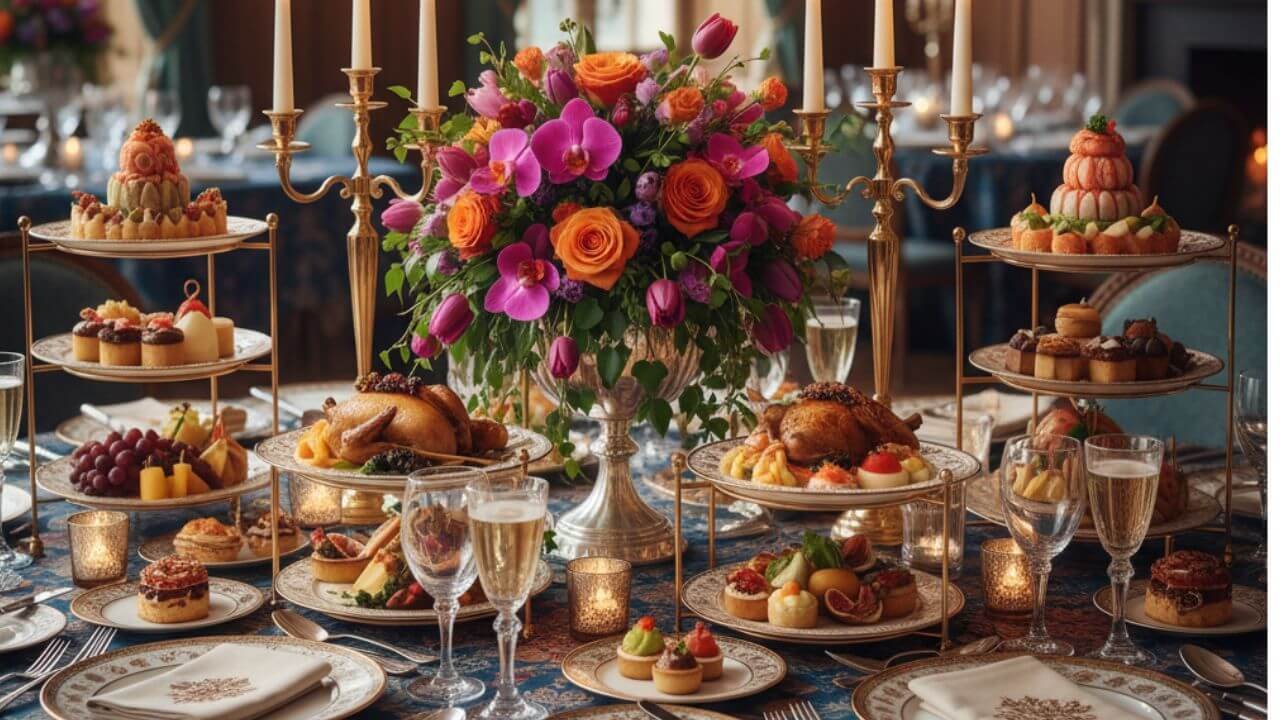
Feast for the Eyes: Mastering the Art of Food Table Presentation
We’ve all heard the saying, “You eat with your eyes first.” It’s a cliché because it’s true. Think about the last time you walked into a party and saw a table that looked like a chaotic jumble of mismatched bowls versus one that looked like a scene from a magazine. The food could taste identical, but the beautifully arranged table instantly signals care, quality, and celebration.
A well-styled food table does more than just hold snacks; it sets the mood for the entire event. It acts as a centerpiece, a gathering spot where guests mingle, chat, and anticipate the meal. Whether you are hosting a casual backyard barbecue, an elegant dinner party, or a festive holiday brunch, the way you present your food can elevate the experience from ordinary to unforgettable.
But here is the good news: you don’t need to be a professional stylist or spend a fortune to achieve that “wow” factor. With a few strategic choices and the right tools, anyone can create a stunning display. It is about understanding balance, color, and flow.
In this guide, we are going to walk through everything you need to know to transform your serving station. We will cover how to pick a theme that ties everything together, the essential gear you need to elevate your dishes (literally and figuratively), and a step-by-step method for arranging your spread like a pro. Let’s get started on making your next event a feast for the eyes as well as the palate.
This post may contain affiliate links. As an Amazon Associate, I earn from qualifying purchases.
Theme Selection and Coordination
Before you even think about where the cheese platter goes, you need a plan. A cohesive theme acts as the backbone of your food table presentation. Without it, even the most delicious spread can look cluttered or confusing. Your theme dictates your color palette, your choice of serving ware, and even the decorative accents you choose.
Finding Your Inspiration
Start with the occasion. Is it a rustic autumn harvest dinner? A sleek, modern cocktail hour? A whimsical birthday brunch? Let the vibe of the event guide you. For a rustic look, you might lean towards wooden boards, burlap textures, and warm, earthy tones like deep oranges, browns, and sage greens. For something modern, think clean lines, white ceramic platters, and a monochromatic color scheme with maybe one bold accent color like navy or emerald.
Coordinating Colors and Styles
Once you have a general vibe, pick a color palette and stick to it. This doesn’t mean everything has to be the same color, but the tones should harmonize.
- Neutral Base: White, cream, or wood tones serve as excellent backgrounds because they make the food pop.
- Accent Colors: Use napkins, flowers, or even the food itself to introduce color. For example, a “Mediterranean Summer” theme might feature bright lemons, blue linens, and white serving dishes.
Don’t be afraid to mix textures. Combining smooth ceramic, rough wood, and shiny metal adds depth and interest to the table. If you are stuck, look at the room where the table will be. Pulling colors from the existing decor helps the food station feel like an integrated part of the space rather than an afterthought.
Essential Equipment and Tools
You can’t build a house without a hammer, and you can’t build a beautiful food table without the right foundation. Having a toolkit of versatile serving pieces makes the job infinitely easier. You want items that are functional but also contribute to the visual story you are telling.
The Foundation: Linens
The tablecloth or runner is your canvas. It hides the utilitarian legs of a folding table and instantly dresses up the space.
- Tablecloths: For a classic look, a floor-length tablecloth is elegant and hides any storage boxes you might have tucked underneath.
- Runners: If you have a beautiful wooden table you want to show off, skip the full cloth and opt for a runner down the center. This creates a defined “food zone” without covering up the furniture.
Amazon Recommendation: For a versatile, high-quality option, check out the Solino Home 100% Pure Linen Table Runner. It comes in various colors and adds a gorgeous, natural texture that works for both casual and formal settings.
Serving Vessels: Platters, Bowls, and Boards
Variety is key here. You want a mix of shapes and sizes to keep the eye moving.
- Large Platters: Essential for main dishes or large appetizers. White porcelain is a safe bet as it matches everything.
- Wooden Boards: Perfect for charcuterie, cheese, or bread. They add warmth and an organic feel.
- Bowls: You need different sizes for dips, nuts, olives, or salads.
Amazon Recommendation: The Sweese Porcelain Serving Platters (Set of 3) are fantastic because they nest for storage, have a clean modern look, and the raised edges keep sauces from spilling over.
Elevation: Cake Stands and Risers
This is the secret weapon of food styling. If everything sits flat on the table, it looks two-dimensional and crowded. You need height!
- Cake Stands: They aren’t just for cake! Use them to elevate a cheese plate, hold cups of crudité, or display small desserts.
- Risers: You can buy dedicated acrylic or wooden risers, or get creative. A sturdy wooden crate turned upside down can act as a riser for a rustic theme.
Amazon Recommendation: Look for the Libbey Selene Glass Cake Stand with Dome. It’s classic, durable, and the dome keeps food fresh until guests arrive. For a more rustic vibe, the AuldHome Design Wood Riser Stand adds instant height and farmhouse charm.
Serving Utensils
Don’t let a beautiful display be ruined by a plastic spoon from a takeout order. Invest in a decent set of serving utensils. Tongs, large spoons, and cheese knives should match the aesthetic of your platters.
Amazon Recommendation: The Berglander Gold Serving Utensils Set is eye-catching and trendy. The gold finish adds a touch of luxury to even simple white bowls.
Step-by-Step Guide to Arranging the Food Table
Now that you have your theme and your tools, it’s time to actually set the table. Think of this like landscaping; you are creating a landscape of food.
Step 1: The Anchor Points
Start with your biggest items. If you have a large centerpiece (we’ll get to that later) or a main dish, place that first. Usually, the center of the table is the focal point. If you are doing a buffet line, the plates should be at the start, and the cutlery and napkins at the end so guests don’t have to juggle them while serving food.
Step 2: Create Height and Flow
This is where those cake stands come in. Place your elevated items towards the back of the table or in the center. This creates a pyramid effect, drawing the eye up. It also makes it easier for guests to reach items in the back without knocking over the dip in the front.
- Visual Triangle: Try to arrange items of similar height in a triangle formation rather than a straight line. It feels more natural and dynamic.
- Accessibility: Ensure tall items don’t block the view or access to other dishes.
Step 3: Fill in the Gaps
Once the big platters and elevated stands are in place, fill in the empty spaces with smaller bowls of dips, nuts, or crackers.
- Grouping: Group related items together. The crackers should be near the cheese; the dressing should be next to the salad. This makes sense logically for the eater and helps with the visual flow.
- Symmetry vs. Asymmetry: Symmetrical arrangements (mirror images on both sides) feel more formal. Asymmetrical arrangements feel more casual and modern. Choose what fits your vibe.
Step 4: The Flow of Traffic
Consider how people will move. If the table is against a wall, ensure everything is reachable from the front. If it’s an island, you can create a 360-degree display. Leave enough space between platters for guests to set down a drink or rest their plate for a moment while they serve themselves.
Special Touches and Decorative Elements
You have the food, the plates, and the layout. Now you need the finishing touches that take it from “nice spread” to “Instagram-worthy.”
Greenery and Florals
Fresh flowers or greenery breathe life into a display. You don’t need a massive bouquet that blocks everyone’s view.
- Garlands: A eucalyptus garland winding its way between platters is an easy way to fill dead space and add color.
- Small Vases: Bud vases with single stems tucked between bowls add elegance without clutter.
- Edible Garnish: Don’t forget herbs! Sprigs of rosemary, piles of fresh lemons, or whole pomegranates can act as decor right on the serving boards.
Amazon Recommendation: If fresh isn’t an option, high-quality faux greenery works wonders. The DearHouse 2 Pack Artificial Eucalyptus Garland looks realistic and can be reused for dozens of parties.
Lighting and Ambiance
Lighting sets the mood. If your overhead lights are harsh, the food won’t look appetizing.
- Candles: Votives or taper candles add warmth and movement. Just be careful about safety—keep flames away from guests’ sleeves as they reach for food!
- Fairy Lights: Weaving battery-operated string lights through the garland or around the base of cake stands creates a magical twinkle.
Amazon Recommendation: Homemory Battery Operated LED Tea Lights are a safe, flameless alternative that still gives you that cozy flicker.
Signage and Labels
There is nothing worse than guessing if that dip is spicy or if that quiche has gluten. Labels are functional, but they can also be decorative.
- Chalkboard Signs: Mini chalkboards are cute and reusable.
- Place Cards: Simple cardstock folded over works perfectly. Use a font that matches your theme.
Amazon Recommendation: The HBCY Creations Rustic Chalkboard Signs (Pack of 4) are sturdy, stylish, and perfect for labeling dishes.
Read More: Perfect Cranberry Lemon Drop Cocktail
Elevate Your Events with a Stunning Food Table
Creating a beautiful food table is about hospitality. It shows your guests that you put thought into their experience. It invites them to relax, indulge, and enjoy the moment.
To recap, start with a clear theme to guide your choices. Invest in a few key pieces of equipment like neutral platters and risers to create height. When arranging, think about flow and accessibility, and don’t forget the power of fresh greenery and soft lighting to tie it all together.
Don’t be afraid to experiment! The best tables often come from trying something new—placing a bowl on a stack of cookbooks, using a unique fabric as a runner, or scattering seasonal fruit as decor. Use these tips as a starting point, but let your own creativity shine through. Your next event is the perfect canvas.





Hello, my name is Mary. I’m a passionate food and drink enthusiast, sharing flavorful recipes, creative drinks, and culinary inspiration from around the world. With a love for exploring new tastes and traditions, I bring a mix of easy-to-follow guides and expert tips to make every meal an adventure. Follow along for delicious discoveries and a toast to positive living!